The 7-2 Game: Poker Rules for the Seven-Deuce Bounty
Seven-deuce offsuit is the worst starting hand in Hold'em. In the 7-2 game it is the most valuable one. Win a pot with it, show it, and every other player at the table pays you a bounty.
What Is the 7-2 Game in Poker?
The 7-2 game is a side bet played on top of a normal Hold'em cash game. Before the session, the table agrees on a bounty. Whenever a player wins a pot holding a seven and a deuce and shows those cards, every other player dealt into the hand pays that player the bounty.
It started in private high-stakes games and became famous on streamed cash games, where players fire huge bluffs with the worst hand in poker to chase the bounty. It works just as well at a $1/$2 home game, where a small bounty is enough to change how everyone plays.
How to Play the 7-2 Game
- Agree on the bounty. Pick an amount every player pays the winner. One to five big blinds per player is a common range.
- Play Hold'em as usual. Nothing changes in the main game. Blinds, betting and showdowns all work the normal way.
- Win the pot with 7-2. The bounty only counts if you win the pot, either at showdown or by making everyone fold.
- Show both cards. To claim the bounty you must turn over your seven and your deuce. If you muck without showing, there is no bounty.
- Everyone pays you. Each player dealt into the hand pays you the bounty, including players who folded preflop.
House Rules to Agree On First
Groups play the 7-2 game in slightly different ways. Settle these before the first hand:
- Suited 7-2: Does seven-deuce suited count, or only offsuit? Most home games count both.
- Who pays: Everyone dealt in is the usual rule. Some tables only charge the players who put money in the pot, which makes the bounty smaller and the bluffs less wild.
- Chopped pots: If the 7-2 player splits the pot, does the bounty count? Most groups say no. You have to win the whole pot.
- Running it twice: Decide whether winning one run is enough or the 7-2 player has to scoop both.
- Bomb pots and straddles: Say up front whether the bounty is live in bomb pots and straddled pots. It usually is.
- How bounties are paid: In cash or in chips from the stack? Paying in chips keeps the night's buy-ins and cash-outs honest, because the bounty is already in the final chip counts.
How the 7-2 Game Changes the Table
With a bounty on the line, 7-2 stops being an automatic fold. Players open it, three-bet it and fire barrels with it, because winning the pot pays twice: once from the pot and once from the bounty. Six players paying two big blinds each adds twelve big blinds to a pot that might only be worth ten.
Everyone else has to adjust. A big bet on a board like K-8-3 is suddenly more likely to be a bluff, so calls get lighter. That, in turn, makes value bets with real hands pay more. The 7-2 game creates action in both directions.
The best part happens after the hand. Turning over seven-deuce after a three-barrel bluff, then collecting from the whole table, is a story your group will retell for months.
Tips for Running the 7-2 Game
- Keep the bounty small at first. Two big blinds per player is plenty of action for a friendly game.
- Announce the rule at the start of the night, so nobody is surprised when they get charged for a hand they folded.
- Pay bounties right away. A bounty that is settled at the end of the night is a bounty somebody forgets.
- Pair it with a bomb pot every orbit for a night with as much action as possible.
Bounties in Chips, Settling Up in Pokertally
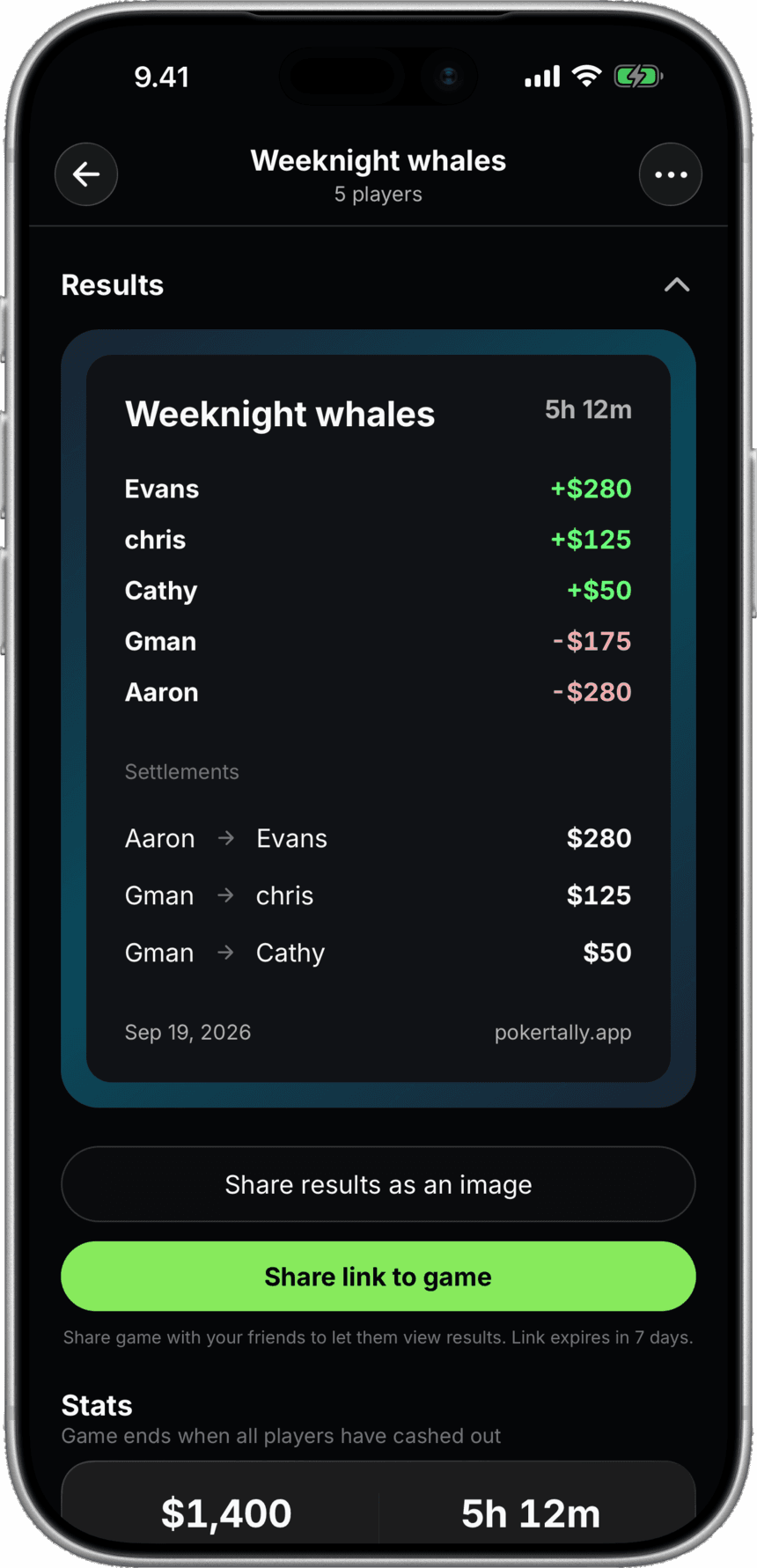
Pay the 7-2 bounties in chips and they show up in the final counts. Pokertally tracks every buy-in and rebuy and works out who owes whom at the end of the night.

Free to join games. Hosting needs Pro: 30-day free trial, then $9.99/year.
More Home Game Ideas
- Fire Truck Game : Reward hot streaks with this side game
- The Nit Game : Punish tight play at your table
- Squid Game Prop : The viral side game from Hustler Casino Live
- Bomb Pots : Skip preflop and run two boards for maximum action
- House Rules Checklist : What to agree on before the first hand